
A federal judge in Minnesota has denied a request from the state and two cities to stop a large-scale immigration enforcement operation run by ICE. The ruling, issued on Saturday, lets Operation Metro Surge continue in Minneapolis and St. Paul even as protests fill the streets and questions grow over two fatal shootings linked to the effort. The operation started in early December 2025 and has led to about 3,000 arrests.
Background
Operation Metro Surge began when the federal government sent thousands of immigration agents to Minnesota. The focus was on people in the country without legal permission who had criminal records, such as murderers, sex offenders, and drug traffickers. Department of Homeland Security leaders say the raids target serious threats to public safety.
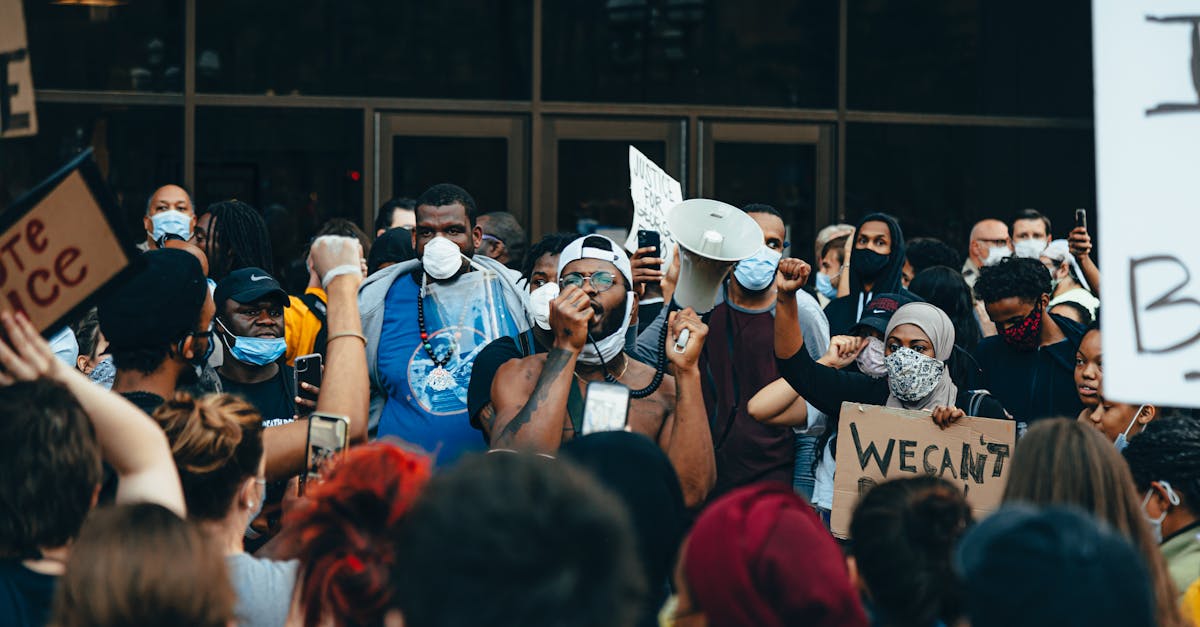
Tensions boiled over in mid-January 2026. On January 14, ICE agents shot and killed Renee Good during an event in St. Paul. Days later, Border Patrol agents killed Alex Pretti in a separate shooting during anti-ICE protests. These deaths sparked outrage. Memorial bike rides for Pretti drew more than 200 groups, including some from other countries. Tens of thousands marched in Minneapolis for a second straight week, with barricades and signs reading 'ICE out.'
Two journalists faced arrest on Friday inside a St. Paul church during a protest. CNN's Don Lemon and local reporter Georgia Fort were detained. Protests have spread to the Minnesota State Capitol, where crowds gathered after Good's death.
The state of Minnesota, along with Minneapolis and St. Paul, filed a lawsuit on January 12, 2026. They asked for a court order to block the operation or limit its reach. Lawyers argued it caused harm to residents, disrupted daily life, and violated state rights under the Tenth Amendment.
Key Details
U.S. District Judge Katherine Menendez, appointed by former President Biden, issued the ruling on Saturday morning. She said the state and cities did not meet the high legal standard needed for a preliminary injunction, an extraordinary step to stop federal work early in a case. Court papers noted the plaintiffs failed to show enough proof of harm to outweigh the operation's goals.
Department of Justice lawyers called the lawsuit legally weak. They pointed out federal law allows immigration enforcement anywhere in the country.
Local Leaders React
Minneapolis Mayor Jacob Frey released a statement right after the ruling.
"Of course we’re disappointed. This decision doesn’t change what people here have lived through—fear, disruption, and harm caused by a federal operation that never belonged in Minneapolis in the first place. This operation has not brought public safety. It’s brought the opposite and has detracted from the order we need for a working city. It’s an invasion, and it needs to stop." – Minneapolis Mayor Jacob Frey
Minnesota Attorney General Keith Ellison also spoke out.
"We’re obviously disappointed in the court’s ruling today, but this case is in its infancy and there is much legal road in front of us, so we’re fighting on. We will continue to protect Minnesotans and raise the critical legal and constitutional issues at stake." – Minnesota Attorney General Keith Ellison
Federal Response
DHS Secretary Kristi Noem welcomed the decision. She called it a win for public safety and law and order. Noem announced that every federal officer in Minneapolis will get a body camera right away. She said this step starts immediately to increase accountability. Two officials noted that some Border Patrol agents in the Pretti shooting already had cameras.
White House border official Tom Homan held a news conference in Minneapolis. He defended the operation and said President Trump remains committed to deportations. Homan stressed the arrests of dangerous people and rejected claims of backing away from enforcement promises.
The operation has resulted in 3,000 arrests since December. Federal filings list examples like convicted killers and violent criminals removed from Minnesota streets.
What This Means
The ruling keeps ICE agents active in the Twin Cities. Raids will go on while the full lawsuit moves forward. State leaders plan to keep fighting in court, pointing to constitutional issues like state sovereignty and equal protection. They argue the federal presence intimidates residents and serves political goals rather than safety.
Protests show no signs of stopping. Crowds have returned to streets weekly, with more events planned. The body camera rollout could change how future incidents are recorded and reviewed. Memorials for Good and Pretti continue to draw support, keeping public anger high.
A partial government shutdown hit over the weekend, affecting funding for dozens of federal agencies. This adds pressure as operations like Metro Surge push ahead.
Local businesses report disruptions from protests and raids. Schools and churches have become protest sites, leading to arrests and clashes. Federal leaders say the focus stays on criminals, but city officials claim broad fear grips communities.
The case tests limits of federal power in states opposed to strict immigration rules. Minnesota has long resisted such efforts, with Democratic leaders leading the charge. As arrests climb past 3,000, both sides dig in for a longer legal and public battle.