
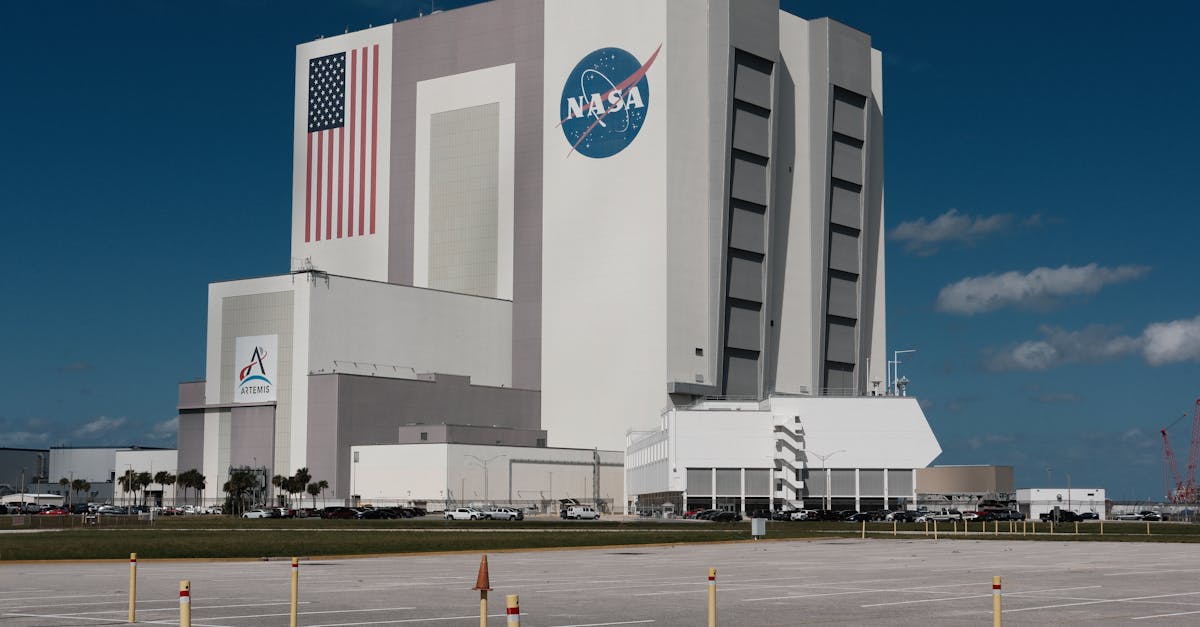
NASA's Artemis 2 rocket ran into a helium flow problem late last week, forcing teams to roll it back from the launch pad at Kennedy Space Center in Florida. The issue hit the upper stage and means the crewed trip around the moon won't happen in March. Instead, launch now looks set for early April at the earliest.
Key Takeaways
- Helium didn't flow right in the rocket's interim cryogenic propulsion stage after a test countdown.
- The 322-foot-tall rocket and Orion spacecraft will head back to the Vehicle Assembly Building as soon as Tuesday for fixes.
- Four astronauts—Reid Wiseman, Victor Glover, Christina Koch, and Jeremy Hansen—had entered quarantine but now wait longer.
- March launch window closes March 11; next chances come April 1, 3, 4, 5, 6, or 30.
Background
The Artemis program aims to send humans back to the moon for the first time since 1972. Artemis 1 flew unmanned around the moon in 2022 without major hitches. It tested the Space Launch System rocket and Orion capsule on that trip. Now Artemis 2 steps up with a crew.
This mission marks the farthest humans will go from Earth since Apollo. The four astronauts plan a 10-day flight. They'll loop around the moon. And they'll get close looks at its far side—parts no one's seen up close before. The crew includes three Americans and one Canadian. Reid Wiseman commands. Victor Glover pilots. Christina Koch and Jeremy Hansen handle mission specialist roles.
Delays started early. A winter storm in January slowed rollout to the pad. Then on February 2, a liquid hydrogen leak stopped the first full countdown test, called a wet dress rehearsal. NASA fixed those leaks. They ran a second test February 19. That one went smooth. No leaks this time. Over 750,000 gallons of super-cold fuel—liquid oxygen and hydrogen—loaded up fine.
Managers eyed March 6 for liftoff. Astronauts went into quarantine Friday at Johnson Space Center in Houston. They planned to fly to Florida on March 1. But trouble struck overnight Friday into Saturday. Data showed helium flow cut off in the upper stage. That's when plans changed fast.
And check out NASA's earlier Artemis delay for more on past setbacks. Or read about the helium rollback plan from last week.
Key Details
Helium plays a big role in the rocket. It keeps the right setup for the upper stage engine. It also presses on the liquid hydrogen and oxygen tanks to push fuel out steady. Everything worked during wet dress rehearsals. But in normal ops after the test, flow stopped.
Teams switched to a backup way to hold conditions steady. The rocket stays safe on the pad for now. Engineers dig into data. They prep for rollback. Weather allowing, it'll happen Tuesday, February 24. The move takes hours. Back in the Vehicle Assembly Building, they'll troubleshoot. Fixes could take weeks.
The Rollback Process
Rolling back isn't new for NASA. They did it before with Artemis 1 over leak woes. The building lets workers reach high up. They'll check valves, lines, seals—whatever caused the helium snag. Goal: get it right before crew climbs aboard.
March window ends soon. March 11 at latest. Earth and moon line up just right only a few days each month. Lighting, angles, all factor in. Miss March? April steps up. Dates like the 1st, 3rd through 6th, even 30th. Quick prep now might save that window.
Astronauts left quarantine. No Florida trip yet. They're ready when the rocket is. NASA stresses safety first. They'll fly only when sure.
"Teams are actively reviewing data, and taking steps to enable rollback positions for NASA to address the issue as soon as possible while engineers determine the best path forward."
— NASA official update, February 22, 2026
Program leads feel the letdown. Public too. But they say bumps happen in crewed flight. Better safe than sorry.
What This Means
Rollback means no March moonshot. Crew sits tight. Families wait. Fans too. Artemis 2 tests crew ops deep in space. It paves way for Artemis 3. That's the 2027 landing on the moon's south pole.
Delays cost time. Money too. But NASA built in slack. Early rollback prep helps. If fixes go fast, April holds. Weather, more tests, all play in.
Bigger picture? Spaceflight's tough. Rockets huge. Parts complex. One glitch stalls giants. Still, progress. Artemis 1 worked. Leaks tamed. Now helium. Each fix strengthens the stack.
For the crew, more training time. Wiseman's team stays sharp. They'll loop the moon. Test suits, comms, life support. Far side views thrill. Earthrise too. First since Apollo 17.
Industry watches. SpaceX preps Starship for Artemis hauls later. But SLS flies this one. Boeing builds it. Lockheed Orion. Partners scramble with NASA.
World eyes return. Partners like Canada join in. Europe, Japan too on later flights. Moon base dreams follow. Mars after that. But step by step. This delay? Just one.
Frequently Asked Questions
Why did the Artemis 2 rocket have a helium problem?
Teams saw an interruption in helium flow to the upper stage after a countdown test. Helium pressurizes fuel tanks and conditions the engine area. It worked in rehearsals but failed in routine checks.
When will Artemis 2 launch now?
No earlier than early April 2026. Possible dates: April 1, 3-6, 30. Rollback and repairs decide the exact day.
Is the crew safe?
Yes. Astronauts are out of quarantine. The rocket's in a safe state with backup systems running. NASA won't launch until everything checks out.
Frequently Asked Questions
Why did the Artemis 2 rocket have a helium problem?
Teams saw an interruption in helium flow to the upper stage after a countdown test. Helium pressurizes fuel tanks and conditions the engine area. It worked in rehearsals but failed in routine checks.
When will Artemis 2 launch now?
No earlier than early April 2026. Possible dates: April 1, 3-6, 30. Rollback and repairs decide the exact day.
Is the crew safe?
Yes. Astronauts are out of quarantine. The rocket’s in a safe state with backup systems running. NASA won’t launch until everything checks out.