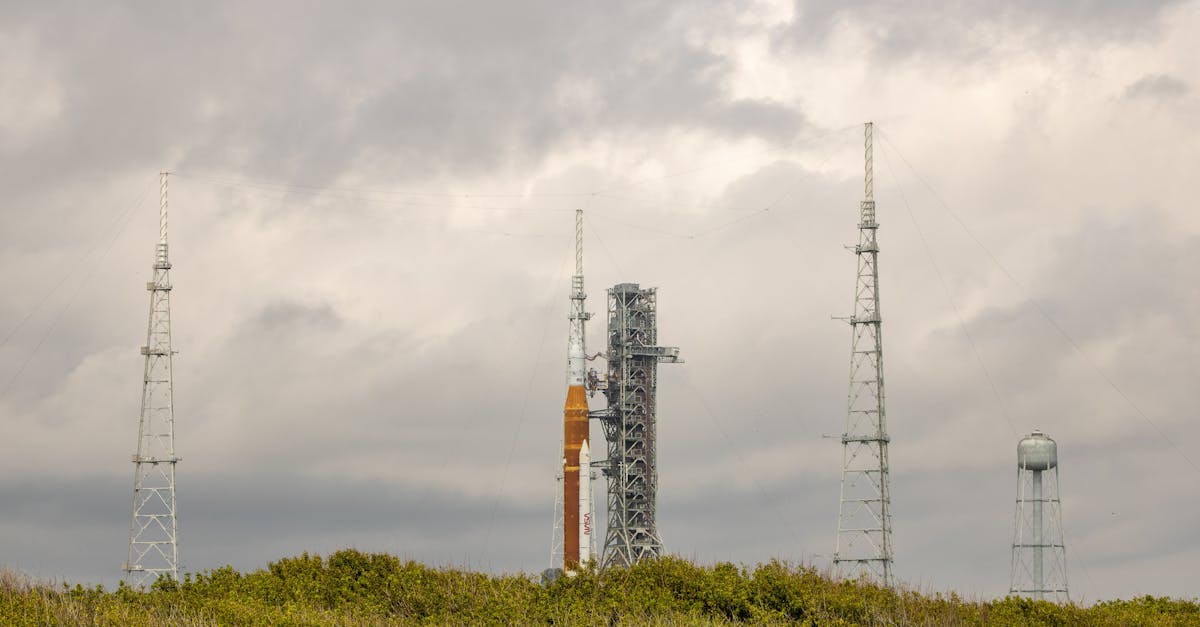
NASA teams at Kennedy Space Center in Florida have begun a second wet dress rehearsal for the Space Launch System rocket set to launch the Artemis 2 mission. The countdown started Tuesday evening, leading to a simulated launch window on Thursday evening. This test loads the rocket with liquid hydrogen and liquid oxygen to check all systems before sending four astronauts around the moon.
Background
The Artemis program seeks to return humans to the moon for the first time since 1972. Artemis 2 marks the first crewed flight in this effort. It will send four astronauts on a 10-day trip that flies by the moon without landing. The rocket at the center of this test is the Space Launch System, or SLS, NASA's most powerful yet. Standing taller than the Statue of Liberty, it uses huge amounts of super-cold fuels to reach space.
Teams first tried this wet dress rehearsal in late January. That test aimed to fill the rocket's tanks and run through launch steps. It started well, with the core stage fueled with liquid hydrogen. But a leak of that fuel at a connection point called the tail service mast umbilical stopped things short. The countdown ended five minutes and 15 seconds before the simulated liftoff. Engineers found high levels of liquid hydrogen at that spot earlier too. Even so, they fully loaded both the core stage and upper stage with liquid oxygen and hydrogen, pausing twice for the leak.
After that, NASA shifted the launch target from early February to March at the soonest. They ran a partial fueling test on February 12. That test showed a filter in the ground equipment slowed the hydrogen flow. Over the weekend, workers swapped out that filter and reconnected lines. They also set up the right conditions around the rocket. These steps cleared the way for this second full test.
The wet dress rehearsal acts like a full practice run. Teams call it 'wet' because they load real propellants, not fake ones. It checks the countdown process, fueling, and ability to stop and drain if needed. For Artemis 2, this is the last big ground test before launch.
Key Details
The current countdown kicked off at 6:50 p.m. EST on Tuesday, February 17. That set the clock at L-49 hours and 40 minutes to the simulated launch window opening at 8:30 p.m. EST on Thursday, February 19. The test should wrap up around 12:30 a.m. on Friday, February 20. Operators arrived at stations in the Launch Control Center that evening to start.
Fuel Loading Plans
The big moment comes Thursday. Teams plan to pump over 700,000 gallons of liquid hydrogen and liquid oxygen into the SLS tanks. Liquid hydrogen, the main fuel, sits at minus 423 degrees Fahrenheit. Liquid oxygen, the oxidizer, is minus 297 degrees. These cryogenic liquids boil off fast, so crews top them up as the countdown runs. A small hydrogen leak showed up in the first test at the umbilical, but engineers called it within safe limits.
Launch controllers practice every step: powering systems, loading fuel, running the clock, recycling if needed, and draining for a scrub. This builds confidence for the real launch day. The Artemis 2 crew includes NASA astronauts Reid Wiseman, Victor Glover, and Christina Koch, plus Canadian Jeremy Hansen. They train alongside ground teams for smooth operations.
"The wet dress rehearsal will run the launch team as well as supporting teams through a full range of operations, including loading cryogenic liquid propellant into the SLS rocket’s tanks, conducting a launch countdown, demonstrating the ability to recycle the countdown clock, and draining the tanks to practice scrub procedures." – NASA official
In the first test, they fueled the core stage and entered a topping phase to replace boiled-off hydrogen. They also filled the upper stage, called the Interim Cryogenic Propulsion Stage. Pauses happened to check the leak, but they pressed on. This time, with the new filter, flow should improve.
What This Means
A smooth second test would let NASA move to final launch prep. It confirms the rocket and ground systems handle fuels without big leaks or holds. Success means sticking to a March launch window. Any new issues could push that back further, as safety comes first for the crewed flight.
Liquid hydrogen's leak-prone nature stems from its extreme cold and low boiling point. It shrinks to liquid form under huge pressure and chills. Small gaps or seals can let it escape as gas. NASA chose it for high energy output, key to SLS power. Engineers design multiple checks to manage risks.
This rehearsal tests those fixes. The first one showed they could fuel despite leaks, but not reach the final countdown hold. Now, reaching T-0 or close sets the stage for liftoff. Post-test, NASA holds a news conference to share results and next steps.
The SLS core stage holds over 733,000 gallons of propellant total. Boosters add solid fuel power at ignition. For Artemis 2, the focus stays on cryogenic systems. Ground crews at Kennedy monitor weather, too, as cold fuels hate humidity or ice.
If all goes well Thursday, draining starts soon after. Teams watch for stable venting and no damage. Data from sensors across the rocket feeds back to engineers. This builds the record for flight readiness review.
Artemis 2 paves the way for Artemis 3, a moon landing in 2027 or later. Each test hones skills for deeper space. Kennedy's pad 39B, once Apollo's site, hosts this new era. Teams work long shifts, eyes on the prize of lunar orbit.