

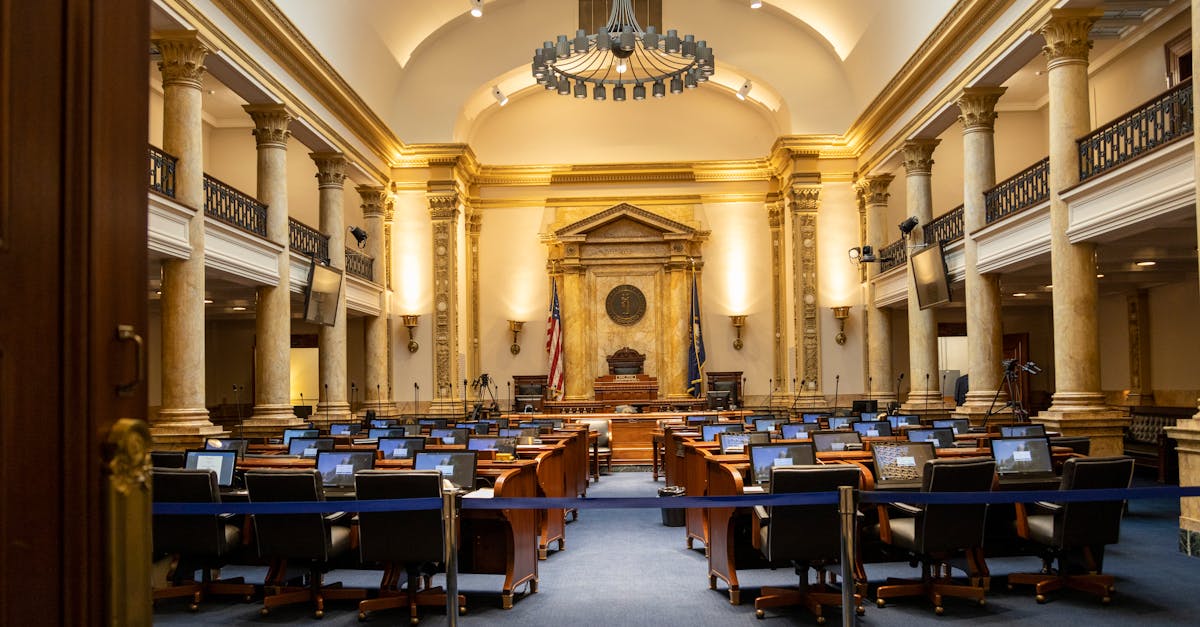
Senate leaders from both parties are rushing to hold a vote on a bipartisan spending deal before a partial government shutdown starts at midnight Friday. The agreement would fund most federal departments through September 30, 2026, while giving extra time for talks on the Department of Homeland Security. This comes after the House passed key bills earlier this week, but delays in the Senate have raised the risk of a funding gap.
Background
Congress has been wrestling with funding bills for Fiscal Year 2026 since last fall. The process started with trouble back in September 2025, when votes on continuing resolutions failed in the Senate. That led to a government shutdown from October 1 until November 12, when lawmakers finally passed a measure for some agencies like Agriculture, Military Construction, Veterans Affairs, and the Legislative Branch. The rest got temporary funding until January 30, 2026.
President Trump signed full-year funding into law on January 23 for Commerce, Justice, Science, Energy, Water, Interior, and Environment. Those bills cleared the Senate on January 15 with an 82-15 vote and the House on January 8 by 397-28. But bigger challenges came with the remaining bills. On January 22, the House approved two packages: one for Defense, Labor, Health and Human Services, Education, Transportation, and Housing and Urban Development by 341-88, and another for Homeland Security by 220-207. A third bill for Financial Services, General Government, National Security, and State passed the House on January 14 at 341-79.
House Appropriations Chairman Tom Cole and Senate Appropriations Chair Susan Collins agreed on December 20 to keep total funding below earlier projections. Still, the Senate hit roadblocks. A procedural vote failed Thursday, pushing leaders to scramble for support. The House is in recess until Monday, which adds pressure since any Senate-passed bill needs House approval before President Trump can sign it.
Democrats have pushed hard for changes at DHS after federal agents shot and killed 37-year-old Alex Pretti in Minnesota last week. They want limits on immigration enforcement, like independent investigations into incidents. Republicans have shown some openness, but not everyone agrees on the details.
Key Details
The current deal splits the funding into two parts. The main package covers Defense, Labor, HHS, Education, Transportation, HUD, State, Treasury, and other agencies through the fiscal year end. For DHS, it offers a two-week extension at current levels to allow more negotiations on policy tweaks.
Senate Vote Struggles
Thursday night saw intense talks. Senate Majority Leader John Thune and Minority Leader Chuck Schumer worked to line up votes. A key procedural step failed earlier, but leaders kept negotiating. Trump posted on Truth Social urging a yes vote from both sides.
“Hopefully, both Republicans and Democrats will give a very much needed Bipartisan ‘YES’ Vote.” – President Trump
Thune left the Capitol late Thursday saying there were snags on both sides. Schumer's team noted the two-week DHS extension buys time for restrictions on enforcement. GOP aides surveyed members for holdouts or amendment demands.
House Speaker Mike Johnson said bringing members back early would take days. Even with Trump's backing, votes might not happen until next week. That means a brief shutdown for some operations is likely if the deadline passes without action.
The Office of Management and Budget could tell agencies to hold off on shutdown steps, like it did in 2018 during a short lapse. Back then, they called it a technical issue and kept workers on duty amid confusion.
Health groups like the American Hospital Association watch closely. The House package includes extensions for health programs, but DHS talks could derail the whole thing.
What This Means
A shutdown would furlough thousands of federal workers and halt services from national parks to food inspections. Partial ones hit later-expiring funds less, but DHS handles borders, disasters, and security—key areas that can't wait. The two-week DHS window lets lawmakers tackle hot-button immigration issues without broader chaos.
Democrats see carving out DHS as a win, forcing talks on agent accountability after the Minnesota shooting. Republicans worry about weakening enforcement but signal room for compromises like probe requirements. Trump's quick endorsement shows he wants to avoid a fight during other priorities.
If the Senate passes tonight, the House recess could still cause a weekend gap. Johnson's team expects delays, guaranteeing some disruption. Agencies might delay closures, but paychecks for 2 million employees hang in balance. Furloughs mean no pay until retroactive funding, hitting families hard.
Longer term, this reflects deep divides on spending and policy. Cole and Collins' deal caps funds, pleasing fiscal hawks. But immigration ties up progress, echoing last year's 43-day shutdown. Lawmakers have passed some bills, but six big ones remain bundled here.
Trump said earlier Thursday he does not want a shutdown. His push might sway holdouts. Still, with hours ticking down, Senate floors buzz with last-minute deals. A yes vote keeps lights on for most government; no vote restarts shutdown pain.
Negotiations continue into Friday. The bipartisan health extensions in the package aid hospitals and programs. AHA stays vigilant. If DHS talks stall post-extension, another cliff looms in two weeks. For now, leaders bet on unity to dodge the worst.