

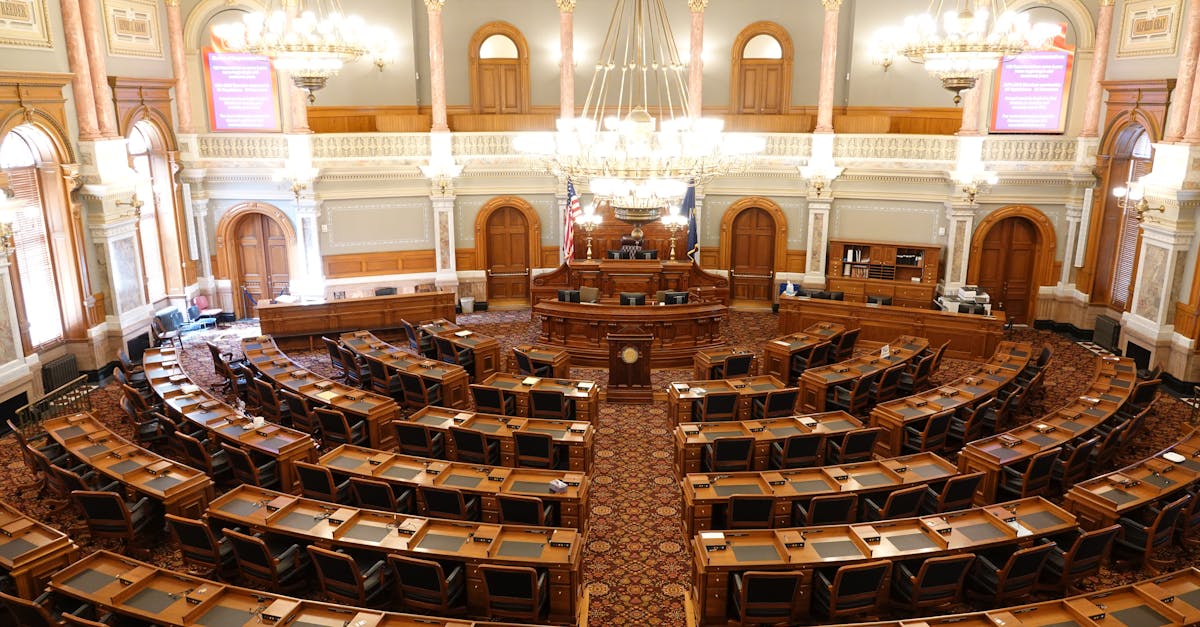
Senate Republicans in Washington voted Wednesday to block a resolution that would have required President Donald Trump to get approval from Congress before taking any more military action in Venezuela. The 51-50 decision came after pressure from Trump, with Vice President JD Vance casting the tie-breaking vote. Only three Republicans joined Democrats in support of the measure.
Background
Tensions over U.S. involvement in Venezuela have grown in recent weeks. Earlier this month, U.S. forces carried out a surprise operation that led to the capture of Venezuelan President Nicolás Maduro. That move caught many in Congress off guard and sparked quick pushback from Democrats.
Lawmakers from both parties have long debated the president's power to use military force without Congress weighing in. The War Powers Resolution of 1973 sets some limits, but presidents from both sides have tested those boundaries over the years. This latest fight started when five Republicans broke ranks last week and voted with Democrats on a procedural step to advance the Venezuela measure. That was a rare show of independence from Trump's allies in the Senate.
Trump reacted strongly to those votes. He posted on social media calling out the Republicans who supported the resolution and said they should lose their seats. Party leaders, including Majority Leader John Thune of South Dakota, worked fast to bring those lawmakers back in line. By Wednesday, two of the five had switched their positions.
The resolution aimed to make sure Congress had a say in any future steps against Venezuela. It built on efforts from last year when similar measures failed. Democrats saw the Maduro capture as the trigger to force this debate, even though they knew passage was a long shot in a Republican-controlled Senate.
Key Details
The vote broke down along mostly party lines. Senators Rand Paul of Kentucky, Lisa Murkowski of Alaska, and Susan Collins of Maine stuck with their earlier support for the resolution and voted against blocking it. But Senators Josh Hawley of Missouri and Todd Young of Indiana changed course.
Hawley told reporters his worries about U.S. intervention eased after talks with Secretary of State Marco Rubio. Young pointed to assurances from top national security officials. He said there are no American troops in Venezuela right now.
"I've also received a commitment that if President Trump were to determine American forces are needed in major military operations in Venezuela, the Administration will come to Congress in advance to ask for an authorization of force," Young said in a statement.
Young added that Rubio promised to testify before the Senate Foreign Relations Committee after the upcoming recess. Rubio sent a letter to the committee chair confirming no U.S. forces are on Venezuelan soil. That helped sway some doubters.
GOP leaders argued the fast-track procedure for the vote did not apply since no troops are deployed there. Thune and others leaned on that point to rally support. Trump's direct involvement loomed large, with reports of calls and messages to senators from the White House.
The Flip and the Fallout
Last week's procedural vote saw those five Republicans join Democrats, passing 51-49. Trump's response was immediate and sharp. He accused them of trying to weaken U.S. defenses. By midweek, Hawley and Young got briefings that changed their views. Hawley cited Rubio's input directly. The other three held firm, but it was not enough.
Vance's tie-breaker sealed the outcome. This marked another win for Trump in keeping tight control over GOP votes on foreign policy. The Senate has seen these war powers fights before, but this one tied straight to a real operation in Venezuela.
What This Means
The block keeps Trump's options open for Venezuela without needing Congress each time. It shows his hold on the party remains strong, even after some early cracks. Democrats can force these votes under Senate rules, but they need Republican help to win.
Lawmakers on both sides worry about where U.S. actions might lead next. Trump has talked about using force in places like Iran and Greenland. Senate Democrats plan to keep pushing similar resolutions to check presidential power.
In the House, a bipartisan group led by Representative Jim McGovern of Massachusetts is set to introduce its own war powers measure on Venezuela. That could bring more debate, though passage there faces the same party hurdles.
This vote highlights the divide over military decisions. Republicans stress flexibility for the president in tough spots. Democrats push for their constitutional role in declaring war. With Venezuela still unstable after Maduro's capture, eyes stay on what comes next from the White House.
The outcome also tests loyalties ahead of future fights. Trump's pressure worked this time, flipping key votes at the last minute. It sets a tone for how the Senate handles his foreign policy pushes in the months ahead. Party leaders like Thune strengthened their hand by delivering the win. Meanwhile, the three holdouts face questions from Trump supporters back home.
Broader talks on war powers continue. Senators from both parties meet on related issues, like veto overrides and other bills Trump opposes. These clashes show Congress wrestling with its place in military matters. The Venezuela case puts a spotlight on that ongoing tug-of-war.