A South Korean documentary chronicling the country's martial law crisis has been acquired for international distribution, marking a significant moment for the film on the global stage. Asian Shadows, a sales company specializing in Asian cinema, has secured worldwide rights to "The Seoul Guardians," which will have its world premiere at the 55th International Film Festival Rotterdam.
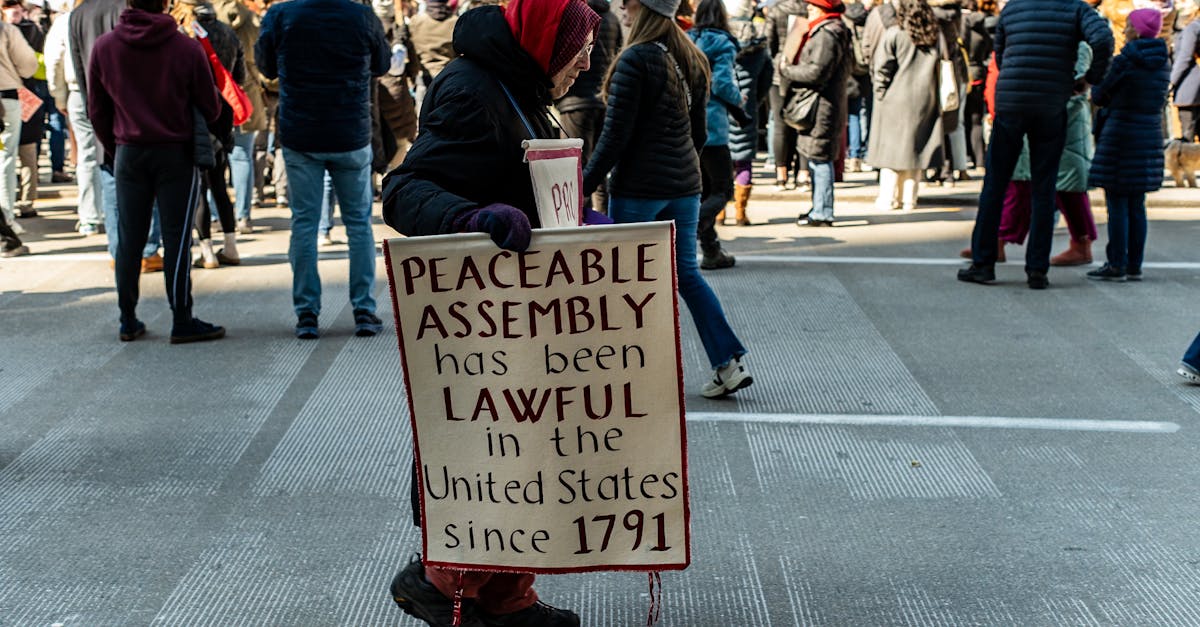
The documentary captures the events of December 3, 2024, when South Korean President Yoon Suk Yeol declared martial law, accusing the Democratic Party of collaborating with North Korean communists and compromising state security. The declaration sparked immediate protests as citizens took to the streets of Seoul to defend democratic principles, while police vehicles and soldiers blocked the National Assembly to prevent lawmakers from convening a session to repeal the order.
Background
The martial law declaration represented a dramatic moment in South Korean politics, triggering memories of past authoritarian crackdowns. Citizens who remembered the Gwangju Massacre and its aftermath mobilized quickly, with crowds and members of the press pouring onto the streets to oppose the armed troops deployed in response to the declaration.
The documentary was produced by MBC, South Korea's major broadcasting company, with direction from three journalists: Kim Jong-woo, Kim Shin-wan, and Cho Chul-young. The film runs 70 minutes and is presented in Korean with English subtitles. The project represents a collaborative effort among multiple cinematographers and editors to document what unfolded during those important hours.
Key Details
The Documentary's Scope
"The Seoul Guardians" brings viewers both into the crowds protesting on the streets and inside the National Assembly building, where lawmakers and citizens fought to restore democratic processes. The title itself carries symbolic weight, referring to those who stood up to protect South Korea's democratic institutions during the crisis.
The film's production involved several key crew members working in different roles. Kim Myung-kyoon, Lee Sun-young, Cho Yoon-mi, and Jeon Min-je served as cinematographers, capturing footage from multiple perspectives. The editing work was handled by Stacy Kim and Cho Chul-young, while sound design came from Ko Eun-ha. The musical score was composed by Jang Yeon-su, Chung Eun-taek, and Lee Hyun-seung.
Distribution and Festival Plans
Asian Shadows' acquisition of international rights signals confidence in the film's appeal beyond South Korea's borders. The Rotterdam Film Festival, one of Europe's leading film festivals, selected the documentary for its world premiere, providing it with a prestigious platform to reach international audiences.
The film will be screened multiple times during the festival, with some showings featuring in-person appearances and question-and-answer sessions with filmmakers. English subtitles will be available for all screenings, making the film accessible to international audiences who may not speak Korean.
"An unadorned, urgent piece of political cinema. A testimony of how important it is to remember and not let certain moments in history be repeated; a testimony of how important it is to stand up for the protection of democracy."
What This Means
The acquisition and international premiere represent an important moment for documentary filmmaking addressing contemporary political crises. The film joins a growing body of work examining recent political upheaval in Asia, offering global audiences direct access to footage and perspectives from events that shaped South Korean politics.
For the filmmakers involved, the Rotterdam premiere provides validation of their urgent approach to documenting the martial law crisis. By securing international distribution through Asian Shadows, the documentary has the potential to reach film festivals, streaming platforms, and theatrical venues around the world, ensuring that the events of December 2024 are preserved and shared with audiences far beyond South Korea.
The project also highlights the role of journalists in capturing historical moments as they unfold. The three MBC directors brought their broadcasting experience to bear in creating a real-time record of a key moment in South Korean democracy, blending journalistic documentation with cinematic storytelling.
As the film prepares for its Rotterdam debut, it stands as a testament to the power of documentary cinema to capture and preserve contemporary history, allowing audiences worldwide to witness and understand the events that shaped a nation during a critical period.