
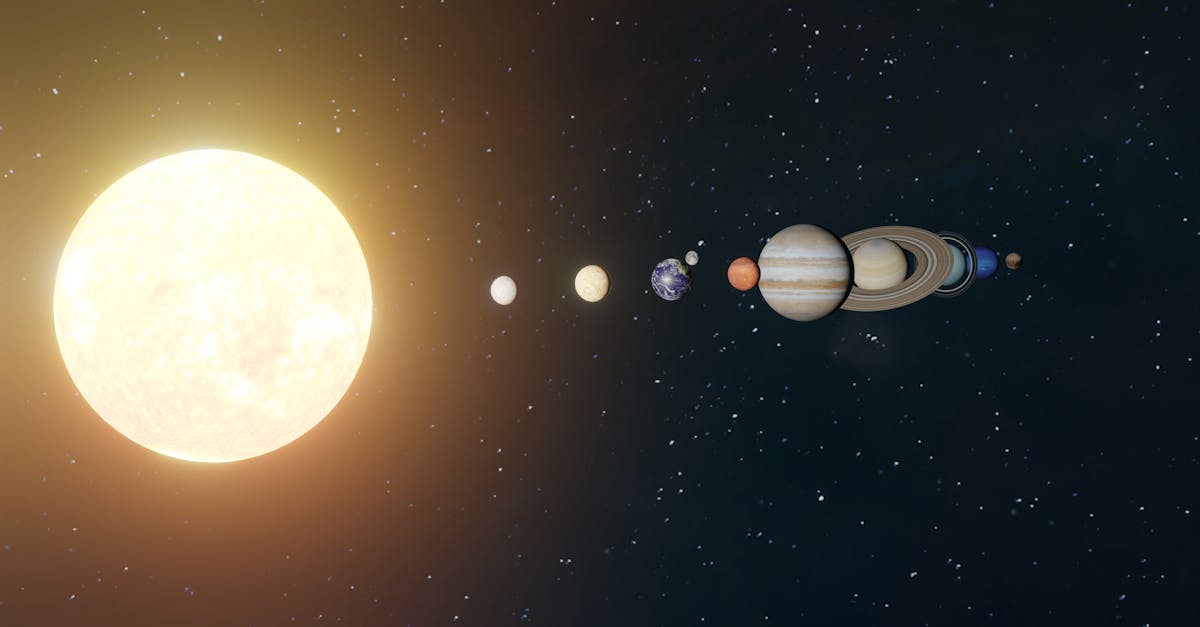
On the evening of February 28, 2026, six planets will line up across the night sky in a rare planetary parade visible shortly after sunset. Mercury, Venus, Jupiter, Saturn, Uranus and Neptune will form an arc from the western horizon to higher up in the sky, drawing eyes from backyards around the world. This happens because the planets sit along our line of sight from Earth, not in a straight line in space. It's a quick window. Clear western views help most.
Key Takeaways
- Six planets—Mercury, Venus, Jupiter, Saturn, Uranus, Neptune—align after sunset on February 28, 2026.
- Best viewing starts around 30 minutes after sunset with a clear western horizon.
- Jupiter shines bright and easy to spot; others like Mercury and Venus hug low near sunset.
- The show lasts several days around the date but peaks that Saturday evening.
Background
Planets don't line up in perfect rows often. They move at different speeds around the sun. Sometimes, though, they bunch up from our view on Earth. Last year, in February 2025, seven planets did this after sunset. Mercury, Venus, Mars, Jupiter, Saturn, Uranus and Neptune all showed up. People grabbed binoculars. Shared photos. Talked about it for weeks.
This time, it's six. No Mars. But still rare. Experts say five or more planets visible at once doesn't happen every year. On most nights, you see two or three. Four gets attention. Six? That's special. The last big one like this won't come until 2034. Then all seven might appear, but some will hide near the horizon.
And it's not just random. All these planets orbit in a flat plane, close to Earth's path around the sun. That's why you can draw a line from Venus through Jupiter to the moon on February 28. They stack up neat. Skywatchers have tracked these events for years. Apps help now. But the thrill stays the same. Step outside. Look up. See worlds beyond ours.
But wait. This parade builds over the month. Early February, Mercury sits too close to sunset. Hard to catch. By the 19th, it hits greatest eastern elongation. That's its farthest point east from the sun. Makes it visible longer after dark. Venus brightens the view. Saturn drops lower each night. Jupiter climbs high in the southeast. Uranus and Neptune linger, faint but there.
Reports from Dorset in the UK already caught early glimpses. Photographers nailed shots of the lineup starting mid-month. Kids news outlets buzz about it too. Families plan evenings out. Schools tie lessons to the sky. It's a global thing. No tickets needed. Just time and clear air.
Key Details
The peak hits February 28. Sunset around 5:45 p.m. in many spots. Wait 30 minutes. Sky darkens. Look west. There you'll find Mercury, Venus and Saturn low down. Clustered like old friends. Venus brightest. Easiest first catch. Mercury dims by then but hangs close. Saturn sits a bit higher. All three demand a flat horizon. No trees. No buildings. City lights hurt chances.
Jupiter dominates. High southeast after sunset. Brighter than anything nearby except the moon. Castor and Pollux in Gemini flank it. Spot those stars? Jupiter's right there. Sets before dawn.
Uranus overhead. High altitude helps. Still faint. Binoculars bring it out. Telescope better.
Neptune toughest. Farthest out. Sets early with Saturn. Needs a scope. Watch the west in twilight. Risky with sun glare nearby.
Best Viewing Tips
Pick dark spots. Rural edges beat cities. Head west-facing hills. Or beaches. Patience key. Planets move slow. Alignment holds a week. But February 28 best. Weather matters. Check forecasts. Apps like Stellarium show exact spots by location.
Douglas Leonard, astronomy professor at San Diego State University, breaks it down.
"A planetary parade is a popular term that simply means a whole bunch of the planets are all above the horizon and in our night sky at the same time. Currently, there are six above our horizon for a short time after sunset, making it a quite rare parade."
He adds most folks will spot two or three. Venus. Jupiter. Maybe Saturn. The rest take gear. Nothing dramatic unfolds. No crashes. No lights. Just quiet beauty.
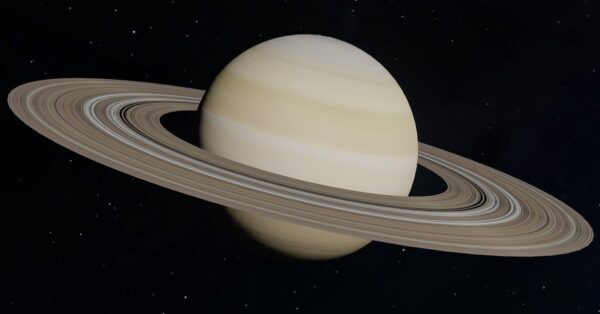
And link this to bigger sky events. Like the lost moon crash that may have formed Titan and Saturn’s rings. Or moon rocks showing brief magnetic bursts. Our solar system holds endless stories. This parade pulls back the curtain.
What This Means
Sky events like this pull people outside. Families bond over stars. Kids ask questions. Why do planets line up? How far are they really? Teachers use it for classes. Museums host watch parties. Apps see downloads spike.
It reminds us space moves. Planets shift daily. What you see tonight changes tomorrow. This parade fades fast. Mercury drops back toward sun. Venus follows. By March, the arc breaks.
Rarity adds weight. Six planets. Short window. Next big chance years away. Pushes stargazers to act. Buy binoculars. Join clubs. Learn constellations. Builds habits.
Science side, alignments show orbits. All in one plane. Earth's view aligns them. No mystic meaning. Pure mechanics. But awe hits hard. Billions of miles away. Yet visible naked eye.
Experts note more coming. Lunar eclipse March 3. Moon turns red. Ties into parade buzz. Keeps eyes up.
Communities react. Photographers in the UK already share Dorset shots. US campuses plan viewings. Global reach. No borders in the sky.
Frequently Asked Questions
When is the best time to see the six-planet parade?
Around 30 minutes after sunset on February 28, 2026. Look west for the low planets, southeast for Jupiter. Clear skies needed.
Do I need a telescope for all six planets?
No. Jupiter and Venus show easy with eyes alone. Binoculars help for Uranus. Telescope for Neptune.
Will the planetary parade happen every year?
No. Six planets align rarely. This setup peaks now. Next similar event in 2034.
Frequently Asked Questions
When is the best time to see the six-planet parade?
Around 30 minutes after sunset on February 28, 2026. Look west for the low planets, southeast for Jupiter. Clear skies needed.
Do I need a telescope for all six planets?
No. Jupiter and Venus show easy with eyes alone. Binoculars help for Uranus. Telescope for Neptune.
Will the planetary parade happen every year?
No. Six planets align rarely. This setup peaks now. Next similar event in 2034.