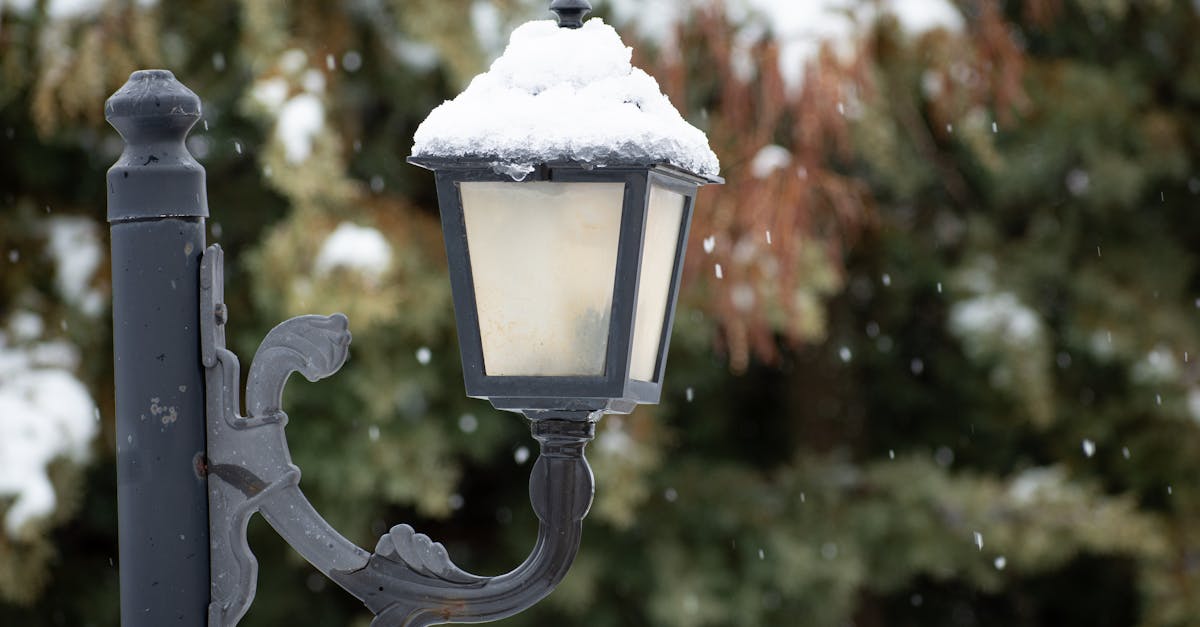
Parts of Florida, Georgia, and states farther north in the South could see snow this weekend. A strong cold front from Canada will push freezing air into the region starting late Saturday night and lasting through Sunday. This sets up a rare chance for snowflakes where they seldom fall, driven by cold temperatures mixing with moisture from the Gulf of Mexico.
Background
The South has already felt a taste of winter this week. An early surge of Arctic air brought freezing temperatures as far south as central Florida by Thursday. Lows dipped into the upper 20s and lower 30s around Orlando, with even colder air in Georgia and the Carolinas. Cold weather alerts went out across the Southeast, warning people about frost and freezes.
This first wave cleared out by Friday, but it was just the start. Now, a second, stronger push of cold air is on the way from Canada. It will crash through the eastern U.S. over the weekend. At the same time, weather systems are pulling warm, wet air north from the Gulf. When this moist air rides over the freezing ground and air near the surface, it can turn to snow.
Forecast models have picked up on this setup in recent days. Early runs showed little action, but newer ones point to growing odds of snow from the Florida Panhandle up through southeast Georgia, the Carolinas, and into Virginia. Some computer simulations now show over 50% chance of at least some snow in spots along this path. It's still four days out, so details could shift, but the trend is toward more snow, not less.
This would mark the second straight year for possible snow in north Florida. Last January, flakes fell in the Panhandle and even farther south in rare cases. Back in 1977, Tampa saw a light dusting, with nearby Plant City getting two inches. Those events stick in local memory because they happen so rarely.
Key Details
Timing and Locations
Snow chances kick off late Saturday night in the Florida Panhandle and southern Georgia. Flakes could start around places like Pensacola, Tallahassee, and Panama City Beach. By Sunday morning, the action spreads north to southeast Georgia, including Savannah, and into the Carolinas. Southwestern Alabama and areas near the Southeast coast might see something too, though amounts stay light there.
The window lasts through Sunday afternoon in most spots. After that, the system moves out, leaving behind bitter cold. Highs on Sunday could struggle to reach the 30s or 40s in many areas, with overnight lows in the teens or 20s by early next week.
Snow Amounts and Odds
How much snow falls depends on exact temperatures and how strong the low-pressure system gets off the Southeast coast. Right now, models split on the details. Some show just a coating or trace amounts, enough to dust the ground but not stick. Others paint a bigger picture, with 1 to 3 inches possible from the Panhandle into southern Georgia. A few runs even hint at 4 to 6 inches in isolated spots, though that's on the high end.
Probabilities back this up. There's a greater than 50% chance of at least a trace of snow from Pensacola to Savannah. Odds for an inch or more sit at 10% to 20% in those same areas. Farther south, like central Florida, temperatures might stay too warm for anything to stick, even if flakes fly.
Travel could take a hit if snow piles up. Plows and salt trucks aren't common in these parts, so even a couple inches would snarl roads. Schools and events might close, and power outages from heavy wet snow on tree limbs are a risk.
"It takes a lot to happen for snow to accumulate in Florida, but it looks like this system may be able to do so," said meteorologist Noah Bergren.
Weather Setup
A dip in the jet stream is pulling this cold air south. It's like a river of fast winds high up that guides weather patterns. This dip lets Canadian chill invade as far as Florida. Add in Gulf moisture overrunning the cold layer, and you get the recipe for snow. Questions linger on whether a full low-pressure storm will fire up just right offshore to boost the snow.
Friday brings a cold start before things warm a bit. Central Florida north of I-4 sees freezes inland. Then the big front hits.
What This Means
For residents, this means preparing for cold like the South hasn't seen in a while. Pipes could freeze, so people should drip faucets and protect plants. Iguanas in Florida might drop from trees again if temps plunge low enough, as seen in past freezes. Pets and livestock need shelter from the chill.
Roads from the Panhandle to the Carolinas could get slick Saturday night and Sunday. Drivers should check forecasts and have winter kits ready: blankets, water, flashlights, and snacks. Airlines might delay flights out of Atlanta, Jacksonville, or Charleston if snow hits airports.
This event fits a bigger pattern. Multiple Arctic blasts are lined up through late January. The eastern U.S. faces an active stretch with cold fronts and storms. The Great Lakes see heavy lake-effect snow, while the West stays mild and dry. For the South, it's a reminder that winter can bite even here.
Power companies brace for demand spikes from heating. Emergency crews stock up on gear they rarely use. Schools in affected areas may shift to remote learning if snow arrives.
Businesses feel it too. Outdoor events cancel, and stores sell out of salt and shovels. Farmers watch crops at risk from freezes. Fishing and beach plans for the weekend go on hold.
Longer term, this cold snap eases by mid-next week as milder air returns. But the jet stream dip keeps things unsettled, with more wintry risks into February. People in the South should keep an eye on updates as the weekend nears.