
South Korean prosecutors have asked for the death penalty for former President Yoon Suk Yeol over his attempt to declare martial law on December 3, 2024. The special prosecutor team made this request in court as part of charges that Yoon led a failed effort to seize power through military rule. This marks one of the most serious cases against a South Korean leader since the country moved to democracy in the late 1980s.
Background
Yoon Suk Yeol became president in 2022 after winning a close election. His time in office faced tough challenges from the start. The opposition Democratic Party took control of the National Assembly after elections in April 2024, holding nearly two-thirds of the seats. This left Yoon facing blocks on his budget plans and investigations into his wife, Kim Keon-hee. She faced accusations of stock manipulation and taking bribes, which hurt Yoon's support among voters.
Tensions built over months. Yoon vetoed bills pushed by the opposition, including one for a special probe into his wife's dealings. He also saw impeachments of officials close to him, like prosecutors handling those cases. By late 2024, Yoon's team grew worried about his single five-year term ending without protection from legal troubles. Reports show he talked about martial law as early as December 2023 with top military and security leaders during private meetings.
The idea took shape over time. In March 2024, Yoon met Defense Minister Shin Won-sik, National Security Bureau Director Cho Tae-yong, and Army Chief of Staff Kim Myung-soo at a secure residence in Seoul. He told them martial law would come soon. They did not stop him. Planning continued, with the date set for December 3. Some accounts point to advice from people close to the first lady, including a shaman, influencing the timing. Yoon expected the parliamentary session to end the day before, leaving fewer lawmakers to fight back.
On that evening, Yoon called cabinet members to his office with little notice. At 10:25 p.m., he went on national TV to announce martial law. He said it was to stop 'pro-North Korean anti-state forces' that threatened freedom and the constitution. Troops moved toward the National Assembly, and Yoon ordered arrests of opposition leaders and even some from his own party. He told police to block lawmakers and military commanders to break doors if needed, even mentioning shooting.
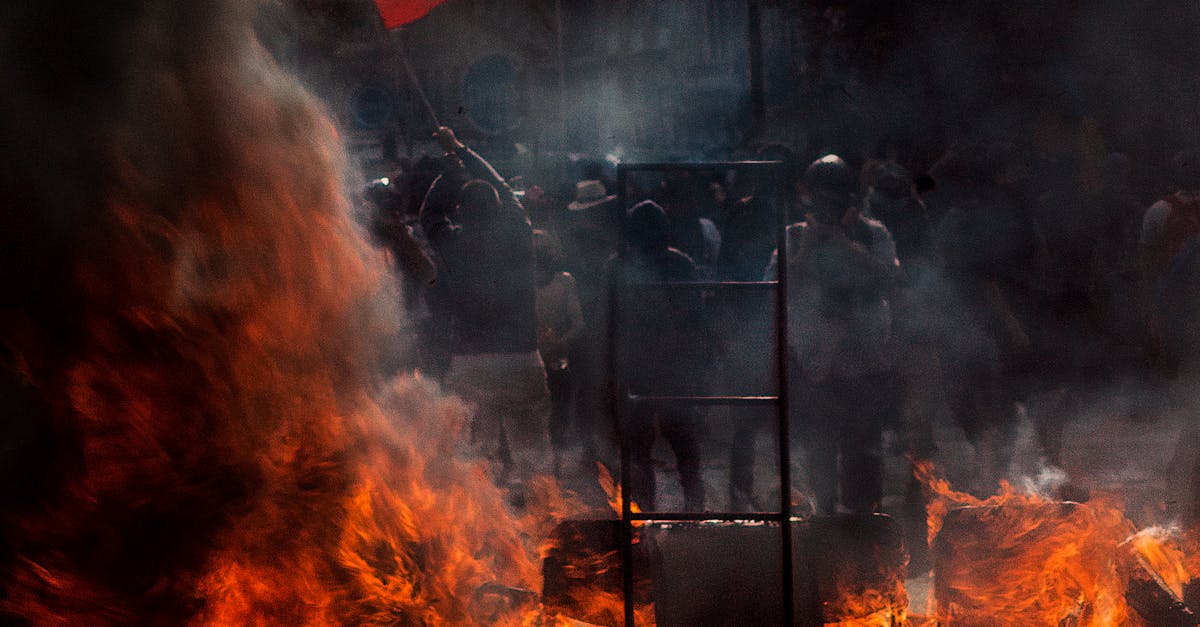
Thousands of people rushed to parliament in protest. Lawmakers, about 190 of them, broke through military lines and voted to end the martial law just six hours later. Yoon lifted it early on December 4 after seeing he could not hold power.
Key Details
The fallout came fast. Defense Minister Kim Yong-hyun, who pushed for the move, resigned and was arrested days later. He tried to take his own life in detention. Yoon apologized on December 7 but later said he would fight on, calling it an act to protect the country. Parliament impeached him on December 14, and the constitutional court upheld it, removing him from office.
Investigations revealed a tight group around Yoon, often called a far-right clique nostalgic for past military rule. Court records and probes show Yoon tested the martial law idea for over a year. He put loyal people in key spots like the defense ministry and security office. On the night of the declaration, he checked troop numbers at parliament, upset that only 500 soldiers showed up instead of 1,000.
Charges Against Yoon and Allies
Prosecutors charged Yoon with leading an insurrection, a crime that carries the death penalty in South Korea. The special team, set up after the crisis, filed the request in early 2026. They say Yoon aimed to rule by decree and arrest opponents without trial. Other charges include abuse of power. Several top officials face trial too, including military leaders who followed orders.
Yoon was arrested after the impeachment and held in detention. His trial started amid riots by supporters outside courts. He surrendered once to avoid clashes with police. The case draws on phone records, meeting notes, and witness statements from ministers and aides.
"We'll have to declare martial law in the near future," Yoon told his top military and security chiefs during a dinner in March 2024. – Account from investigation records
One year on, South Korea marked the event with protests and debates. Opposition leader Lee Jae-myung, a target for arrest that night, called it an illegal act without full cabinet backing.
What This Means
This case tests South Korea's young democracy. The last martial law came in 1980 under a military coup leader. Yoon's move brought back fears of authoritarian rule, the kind the country fought against in the 1987 protests that led to direct elections.
A death penalty request, even if rare in practice, sends a strong signal. South Korea has not carried out executions since 1997, but the charge shows prosecutors view the plot as rebellion against the state. It could lead to life in prison if convicted.
Politics shifted after Yoon's fall. The opposition gained ground, and snap elections picked a new president. But divisions remain. Yoon's supporters, mostly from his People Power Party base, see him as fighting North Korean influence. Protests continue, with some calling the probes political revenge.
The trial may drag into late 2026. Courts must weigh if Yoon's orders amounted to insurrection or just a bad decision under pressure. Witnesses from his inner circle could turn against him for lighter sentences. Meanwhile, investigations into the first lady's scandals go on, tying into the motive for the power grab.
For everyday South Koreans, the crisis shook trust in leaders. It showed how one president's choices could risk military takeover. Streets filled with people defending parliament that night, proving public will matters. As the case unfolds, it shapes views on accountability for top officials.