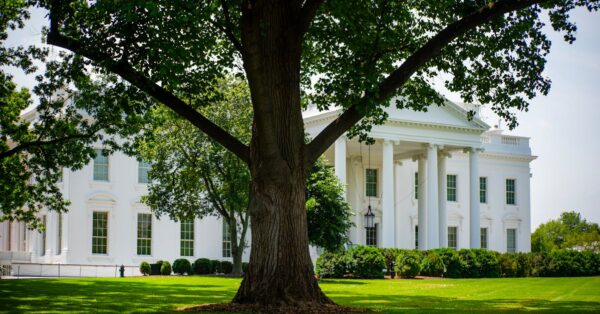


Asian stock markets opened lower on Tuesday as US President Donald Trump threatened new tariffs on several European countries over their military moves in Greenland. The dispute, centered on Trump's long-standing interest in buying the Danish territory, has leaders from Denmark, Norway, Sweden, France, Germany, the UK, the Netherlands, and Finland facing 10% duties on goods sent to the US starting February 1, rising to 25% by June 1.
Background
Greenland, an autonomous part of Denmark, sits in a key spot in the Arctic, home to US military bases like Pituffik Space Base with about 150 American troops. Trump has pushed for years to buy the island, saying it matters for US security and resources. Last week, those eight European nations sent small groups of troops there for a planned military exercise aimed at boosting Arctic security. Trump saw this as a block to his plans and announced the tariffs on Saturday via a post on Truth Social.
The troops arrived as part of NATO efforts to watch the region amid growing interest from Russia and China. Greenlandic leaders and Danish officials have said no to any sale, pointing to local protests in Nuuk over the weekend where crowds marched under 'Stop Trump' signs. A bipartisan US congressional group visited Greenland on Friday, talking with Danish parliament members about security and minerals without pushing a takeover.
This comes as NATO marks its collective defense rules covering Greenland. The US cut its forces there since the Cold War but keeps a presence. Trump's move tests alliances built over decades, with Europe stressing shared goals in the Arctic.
Key Details
Trump's announcement hit on January 17, targeting all goods from the listed countries. He wrote that the tariffs would stay until the US can buy Greenland outright, calling the European actions a 'dangerous game' that risks global peace.
"On 1 June 2026, the Tariff will be increased to 25%. This Tariff will be due and payable until such time as a Deal is reached for the Complete and Total purchase of Greenland."
— President Donald Trump, Truth Social post
European leaders responded fast. EU foreign policy chief Kaja Kallas said the bloc stands united with Denmark and Greenland, calling tariffs a threat to transatlantic ties and bad for both sides' economies. She noted they pull focus from supporting Ukraine against Russia.
The eight nations issued a joint statement Sunday, backing Denmark fully and saying their exercise threatens no one. They warned of a 'downward spiral' in relations and pledged to act together if tariffs hit.
French President Emmanuel Macron called the threats unacceptable, saying Europe would respond in a united way to protect its sovereignty. UK Prime Minister Keir Starmer said hitting allies with tariffs for NATO work is wrong. Italian Prime Minister Giorgia Meloni called it a mistake, saying the troops aimed at security against other powers, not the US.
Market Reactions
Markets felt the heat right away. Asian stocks faced a cautious open, with indexes down as traders eyed trade war risks. The US dollar weakened against major currencies. In Europe, leaders talked retaliation. EU Council President António Costa said the bloc is ready to defend against coercion, pointing to unity on Arctic peace and trade deals.
Reports say the EU eyes old counter-tariffs worth billions on US goods like poultry, alcohol, cars, and planes. French officials push for the Anti-Coercion Instrument, which could limit US investments and market access. Greenland's Prime Minister Múte Egede said only Denmark and Greenland decide their future, rejecting blackmail.
US voices pushed back too. Senators Jeanne Shaheen and Thom Tillis, from the Greenland trip, said allies want to work together under treaties, no need for takeovers. Senate Minority Leader Chuck Schumer plans a bill to block these tariffs.
What This Means
The tariffs could raise prices for US buyers on European imports, from cars to food, while hurting exporters in those nations. Trade between the US and EU runs into trillions yearly, so even 10% duties pack a punch. Escalation to 25% in June would sting more, possibly sparking tit-for-tat measures that slow growth on both sides.
Arctic security hangs in balance. The exercise was set to test NATO readiness without targeting the US. Now, it risks splitting allies at a time when Russia eyes the region and China seeks minerals. Greenland's people, who vote against joining the US, face more outside pressure.
Businesses watch closely. EU talks on Wednesday could greenlight delays to US trade deals or activate counters. Trump meets leaders at Davos this week, where Greenland might come up. A US Supreme Court ruling on related powers looms Tuesday, adding uncertainty.
For everyday folks, this means higher costs if tariffs stick. Farmers, makers, and shoppers in Europe and the US could pay more. NATO bonds, key since World War II, face real strain. Diplomats on both sides say they want talks, but deadlines loom. The eight countries stress no backing down on Greenland, while Trump holds firm on his goal. Tensions build as February nears, with markets and leaders bracing for what's next.