President Donald Trump has been briefed on a range of military and secret options to respond to Iran's crackdown on widespread protests, with a key meeting planned at the White House today involving top national security officials. The discussions come as demonstrators fill streets across Iran for a third night, facing security forces amid reports of rising deaths and an internet blackout. Trump has warned the Iranian government against harming protesters, stating the U.S. stands ready to act.
Background
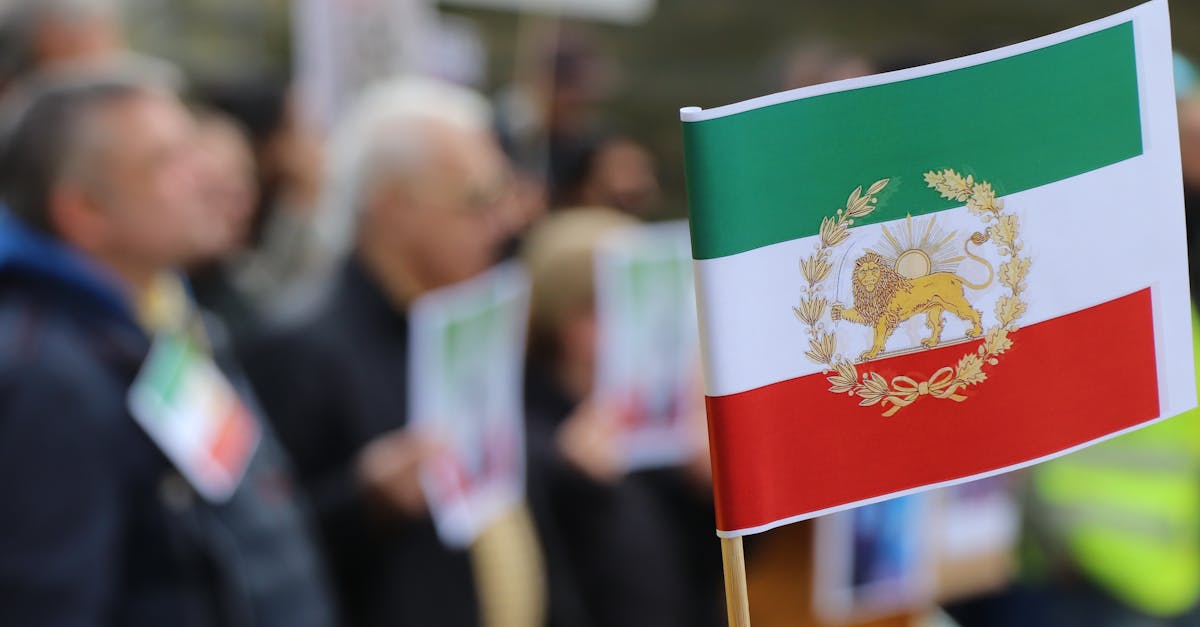
Protests have swept through cities in Iran, including Tehran, over the past several days. People are taking to the streets in large numbers, with reports of hundreds of thousands joining in recent nights. Security forces have cracked down hard, leading to a growing death toll. An internet blackout has made it harder to get information out, but videos and accounts from inside show crowds chanting against the regime.
This unrest follows years of tension between the U.S. and Iran. Trump has long criticized the Iranian leadership, calling it weak and oppressive. Just days ago, he posted online that Iran is in 'big trouble' and hinted at U.S. involvement if the killing continues. He said the regime better not start shooting because the U.S. would respond in kind. Officials in Washington have watched the protests closely, seeing them as a chance to weaken Tehran's hold on power.
Behind the scenes, Trump's team has held early talks on how to support the demonstrators without sparking a wider fight. U.S. and Israeli officials have shared notes on the situation. Secretary of State Marco Rubio spoke by phone with Israeli Prime Minister Benjamin Netanyahu over the weekend, touching on Iran along with other regional issues. The call was described as routine by those involved.
Trump has also pointed to private signals from Iran. He told reporters aboard Air Force One that Iranian leaders reached out over the weekend, wanting to negotiate. He said a meeting might be set up, but action could come first because of the protests. The State Department has posted warnings in Farsi on social media, telling Tehran not to play games with the president.
Key Details
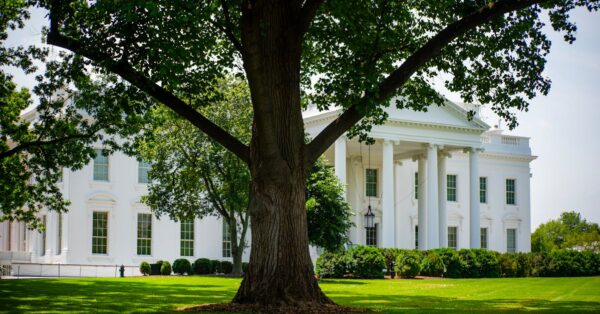
Today, Trump is meeting with senior aides, including Secretary of State Marco Rubio, Defense Secretary Pete Hegseth, and Joint Chiefs Chair General Dan Caine. They will go over specific ways to push back against the regime's actions. Defense officials say the options go beyond standard airstrikes.
Military and Covert Options
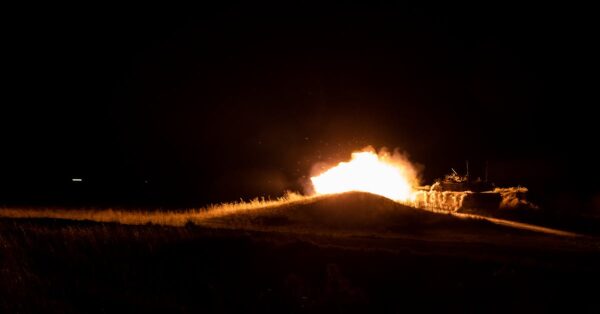
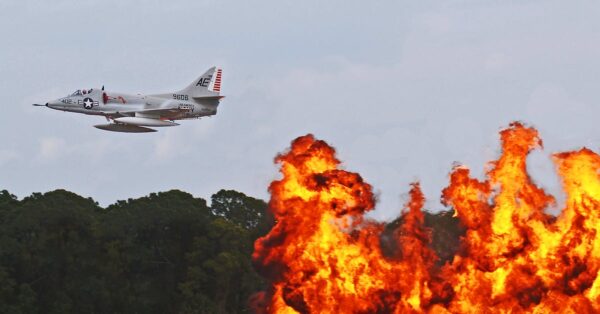
Pentagon planners have laid out plans using air power and long-range missiles as main tools for any strike. But they also presented cyber operations to hit Iranian networks and psychological campaigns to mess with command structures, communications, and state media. These could run alongside traditional attacks or stand alone.
Other ideas include targeted strikes on regime figures or police units blamed for protester deaths, like the Basij forces under the Islamic Revolutionary Guard Corps. Deploying an aircraft carrier group to the region could deter further violence. Information operations aim to boost protester messages online and undermine government control.
No final choice has been made, and officials stress diplomacy stays open. About 30,000 U.S. troops are in the Middle East, including 2,500 in Iraq and 1,000 in Syria. The Pentagon might shift more assets there to guard against retaliation.
Economic Measures
Trump announced plans for a 25% tariff on any country doing business with Iran if that business involves the U.S. This targets nations trading with Tehran. New sanctions could hit key regime leaders, energy sectors, or banks. These steps aim to squeeze the government's funds without direct fighting.
White House Press Secretary Karoline Leavitt spoke to reporters yesterday. She said airstrikes are one of many options on the table, but diplomacy comes first. Public statements from Iran differ from private messages reaching the White House, she noted.
"We'll be hitting them very hard where it hurts. And that doesn't mean boots on the ground, but it means hitting them very, very hard where it hurts." – President Donald Trump
Trump has said Iranian leadership indicated a desire to talk, but he is unafraid to use force if needed. One U.S. official put it simply: all options are on the table, but nothing is decided.
What This Means
These moves signal a shift in how the U.S. handles Iran during internal unrest. Past administrations have imposed sanctions, but Trump's mix of military threats, cyber tools, and tariffs broadens the approach. Supporting protests could encourage more people to challenge the regime, but it risks escalation. A cyber hit or influence campaign might disrupt Tehran without U.S. planes overhead, yet it could provoke cyberattacks back on American targets.
Experts note that big military action carries high stakes. Striking regime targets tied to protest suppression might aid demonstrators, but it could rally Iranians around their leaders. With U.S. troops nearby, any response from Iran might threaten them directly. The tariff plan pressures allies and partners to pick sides in trade with Iran.
Private talks hint at room for deals, but Trump's warnings suggest impatience. If protests grow and deaths mount, pressure builds for quick U.S. steps. The region holds steady for now, but today's meeting could set the path. Allies like Israel watch closely, given shared concerns over Iran. Oil markets stay alert, as tension here often pushes prices up. For now, the White House balances talk with readiness to act, eyes fixed on Tehran's next moves.