A new study of over 5,000 Chinese adults aged 80 and older finds vegetarians over 80 less likely to reach 100 than those who eat meat. Researchers tracked participants from a long-term health survey that started in 1998. By 2018, fewer strict vegetarians made it to their 100th birthday. The difference tied closely to body weight and diet details.
Key Takeaways
- Vegetarians over 80 had 19% lower odds of reaching 100 compared to omnivores.
- Underweight vegetarians faced the highest risks; healthy-weight ones did not.
- Those eating fish, eggs, or dairy matched meat eaters' chances of becoming centenarians.
- Muscle maintenance and key nutrients matter more in extreme old age than disease prevention.
Background
China has one of the world's largest groups of centenarians. Many live in rural areas where traditional diets mix rice, vegetables, and small amounts of animal foods. The Chinese Longitudinal Healthy Longevity Survey began in 1998 to track what helps people live past 100. It follows thousands of seniors across the country.
This latest analysis looked at 5,203 people who were at least 80 when they joined. Researchers split them into groups: omnivores who ate meat regularly, and vegetarians. Vegetarians broke down further into pesco-vegetarians who ate fish, ovo-lacto-vegetarians who had eggs and dairy, and vegans who ate no animal products at all. Over 20 years, 1,459 became centenarians. The rest passed away before 100.
Past studies often link plant-based diets to longer life. They cut risks of heart disease, diabetes, and some cancers. But those studies mostly track middle-aged or younger adults. Few focus on the very old, where bodies change fast. Appetite drops. Muscles shrink. Bones weaken. Staying strong becomes the main goal.
And bodies need more of certain nutrients per calorie as people age. Protein fights muscle loss. Vitamin B12 keeps nerves working. Calcium and vitamin D protect bones. Plant foods provide some. Animal foods deliver them in forms the body absorbs easily.
Researchers matched centenarians to non-centenarians by age and other factors. They used math models to compare diets' effects. Results showed clear patterns, especially for frail seniors.
Key Details
Vegetarians overall had lower odds of hitting 100. Their chance sat at 81% of omnivores' level. Vegans fared worst, at 71%. But pesco-vegetarians were close, at 84%. Ovo-lacto types hit 86%. Neither group differed much from meat eaters in stats.
The Weight Factor
Body weight changed everything. Underweight seniors—those with BMI below 18.5—saw the biggest gaps. Vegetarians in this group struggled most. Their odds dropped sharply without animal foods. But vegetarians at healthy weights, BMI 18.5 to 24.9, showed no such risk. They matched omnivores fine.
This fits the 'obesity paradox' seen in aging. A bit extra weight often helps survival past 90. It acts as a buffer against illness or injury. Frail vegetarians lacked that reserve. Plant diets can fill you up with fiber but miss calorie-dense proteins.
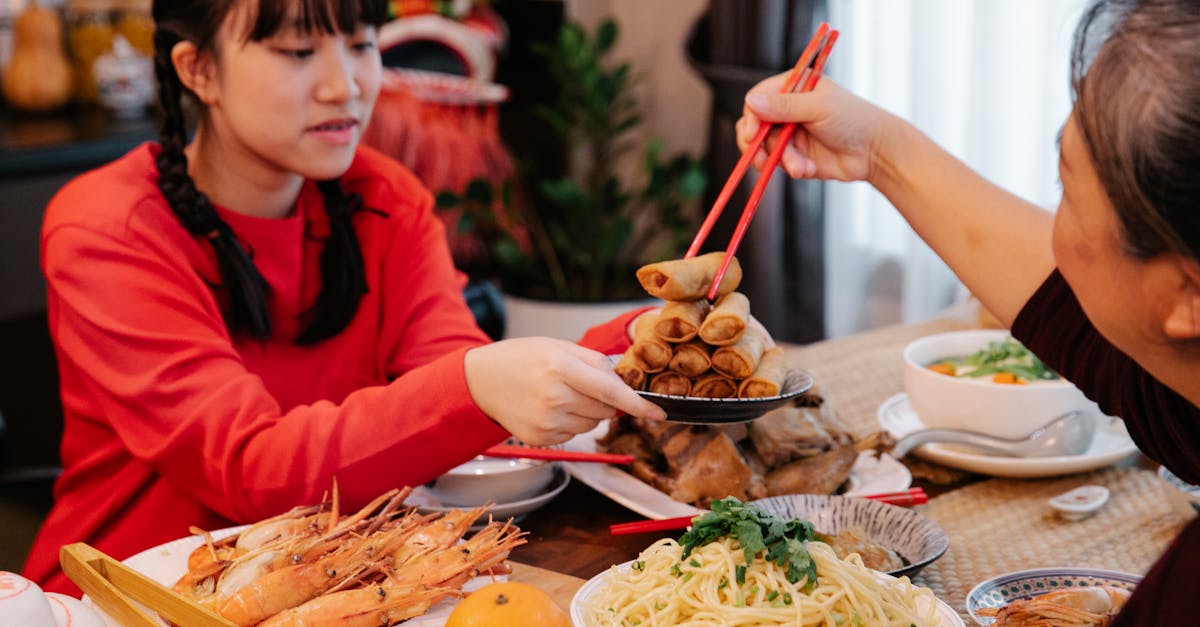
Fish brings omega-3s for heart and brain. Eggs offer complete proteins. Dairy gives calcium and B12. These kept seniors' odds even with meat eaters'. Strict vegans missed out. Their lower odds linked to undernutrition signs like low muscle mass.
"In very old age, preventing weight loss and building muscle strength often outweighs avoiding chronic diseases." – Lead researcher Yaqi Li
The survey covered rural and urban dwellers. Most ate simply: veggies, grains, occasional protein. Centenarians shared habits like activity and social ties. Diet stood out for the frail.
What This Means
Nutrition rules shift after 80. Young adults benefit from low-fat, high-fiber plants. They prevent buildup of artery plaque or extra pounds. But at 80-plus, the body burns fewer calories. Every bite must pack protein and vitamins. Frailty sneaks in fast without them.
Doctors see this in clinics. Underweight elders lose ground quick. A chicken egg or yogurt serving boosts intake without much bulk. Fish twice weekly covers bases. Vegans might need pills for B12 or extra beans for protein. Planning matters.
This doesn't scrap plant diets for all. Healthy-weight vegetarians thrived here. And younger folks still gain from less meat. Heart attacks drop. Strokes too. But for the oldest, balance wins. A mix of plants and modest animal foods supports muscle and weight.
China's findings may not fit everywhere. Western seniors eat more processed foods. Their calorie needs differ. Still, patterns hold: frailty hurts odds most. Keeping weight stable aids longevity.
Researchers call for more work. Track vegans with supplements. Test in other countries. See if fish eaters keep edges. For now, the message rings clear for 80-plus crowds. Don't skip key nutrients. Strength carries you further.
Link this to other science breakthroughs, like bacteria engineered to eat cancer tumors or chemists create silicon aromatic, showing how body tweaks extend life.
Frequently Asked Questions
Q: Does this mean all vegetarians won't live long?
A: No. The study focused on those over 80. Healthy-weight vegetarians had same odds as meat eaters. Risks hit underweight ones hardest.
Q: Should old people start eating meat?
A: Not necessarily. Adding fish, eggs, or dairy helped most. These provide proteins and vitamins plants lack in old age.
Q: Why did vegans fare worst?
A: They missed animal-source nutrients like B12 and high-quality protein. This led to underweight and frailty in many cases.
Frequently Asked Questions
Does this mean all vegetarians won’t live long?
No. The study focused on those over 80. Healthy-weight vegetarians had same odds as meat eaters. Risks hit underweight ones hardest.
Should old people start eating meat?
Not necessarily. Adding fish, eggs, or dairy helped most. These provide proteins and vitamins plants lack in old age.
Why did vegans fare worst?
They missed animal-source nutrients like B12 and high-quality protein. This led to underweight and frailty in many cases.