Ukrainian President Volodymyr Zelensky announced a state of emergency in the country's energy sector on Wednesday, January 14, as Russian missile and drone strikes battered power and heating systems during some of the coldest weather in years. The move aims to help restore services faster in Kyiv and other hard-hit areas where people have gone days without electricity or heat, with temperatures dropping below -15C.
Background
Russia has targeted Ukraine's energy infrastructure with near-daily attacks since late last year. These strikes have damaged power plants, substations, and heating lines, especially as winter sets in. In Kyiv, the capital, a big Russian attack last Friday knocked out heat and light for half the city at first. Now, four days later, the problems continue.
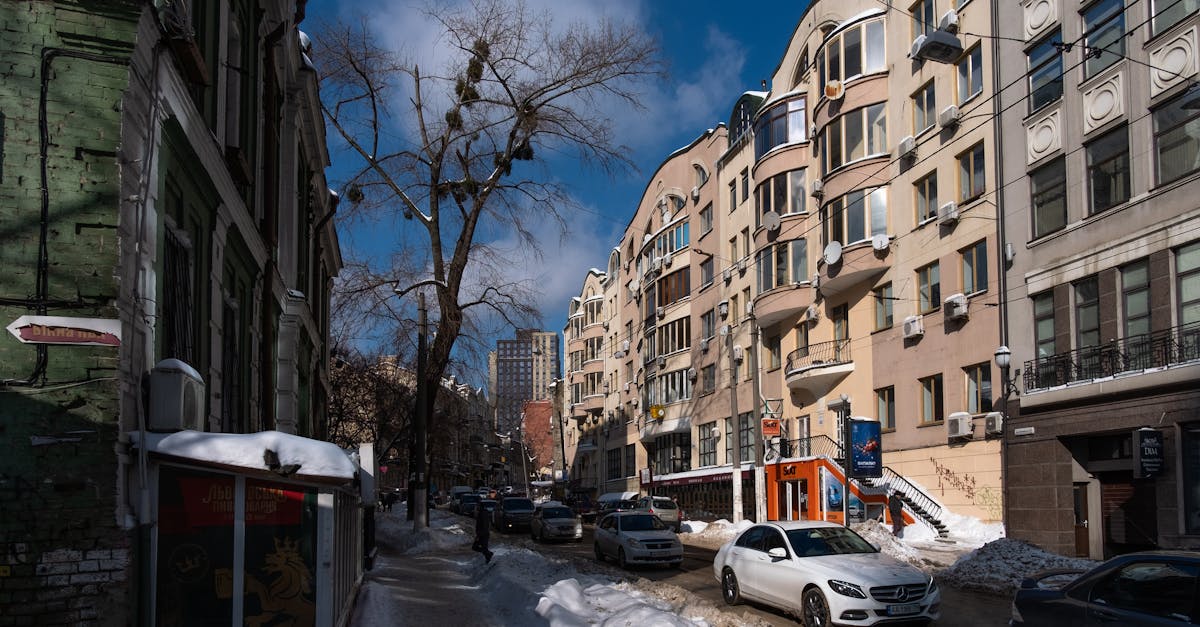
The cold makes everything harder. Snow covers streets and rooftops, and wind chills people to the bone when they step outside. Inside apartments, temperatures have fallen to as low as 13 degrees Fahrenheit in some places. People wrap up in layers, huddle under blankets, and use gas stoves to stay warm and cook food.
This is the longest and widest outage since Russia launched its full-scale invasion almost four years ago. Repair teams work from early morning until midnight, but the grid is fragile. When power returns, even for a few hours, everyone turns on heaters, lights, and appliances at once. That overloads the system and causes more blackouts.
In the Kyiv region town of Boryspil, workers from the private energy company DTEK have rebuilt burned-out systems in the snow. They manage to give residents about four hours of power each day, but no more. Across Ukraine, the energy crisis hits hardest in Kyiv, Odesa, and the Dnipropetrovsk region.
Key Details
Zelensky made the announcement after a meeting on the energy situation. He said the emergency will set up a permanent coordination headquarters in Kyiv to handle the crisis around the clock. The new Energy Minister, Denys Shmyhal, will lead efforts to help citizens and local communities.
The state of emergency simplifies rules for hooking up backup power generators to the grid. No more red tape to slow things down. Zelensky ordered the government to ramp up electricity imports from other countries and seek more equipment and aid from partners abroad.
Other steps include reviewing the midnight curfew, which has been in place since martial law started. The change would let people reach 'invincibility points'—warm spots with power, charging, and hot drinks—any time of night. Kyiv plans to open more of these points soon.
Schools face changes too. The Education Ministry and local leaders will propose new ways for children to learn, maybe remotely or in shifts, to keep them safe from the cold.
Life in Kyiv Without Power
Around 400 housing blocks in Kyiv have had no heating for days. Residents get power for about three hours, then up to ten or more without it. The city and region have set up 1,200 warming centers in tents where people can get warm, charge phones, and eat.
Kyiv's mayor, Vitaliy Klitschko, said the situation is the worst in four years of war. He urged people who can to leave the city temporarily while repairs happen.
"The situation in Kyiv is very difficult. A scale like this is the first in four years of full-scale war." – Vitaliy Klitschko, Kyiv Mayor
Energy workers from DTEK and others keep going non-stop. A company spokesperson said they welcome the emergency measures and the new headquarters.
"DTEK's teams on the ground are working around the clock to restore power across affected regions and we are grateful to every energy worker in Ukraine for their commitment in such extreme conditions." – DTEK spokesperson
People are finding ways to cope. A couple with a young daughter takes her to work because their office has a generator, but home is too cold. They sleep together under all their blankets, with Christmas lights flickering by flashlight. An elderly woman heats water on her gas stove and tucks hot bottles into bed. Another plays piano in the cold, remembering World War II.
One resident with sons at the front said life in her apartment feels stopped. A drone hit the building next door, adding to the fear.
Repair challenges run deep. Russia aims at big power plants and substations. Replacing transformers and other gear takes months to get. Demand is high, and the weather slows crews down.
What This Means
The emergency gives Ukraine tools to fight back against the blackouts. Faster generator hookups mean more backup power soon. More imports could ease the strain on the grid. Coordination in Kyiv should speed up fixes there, where the population is largest and needs are greatest.
For residents, it means hope for warmer homes and steady lights. Warming centers and curfew changes help people get through the nights. School adjustments protect kids from the freeze.
The bigger picture shows Russia's strategy to wear down Ukraine through winter hardship. Energy workers join soldiers as key figures holding things together. Blackouts hit daily life—cooking, charging devices, staying warm—but people endure, knowing front-line troops face worse.
Procuring new equipment will test Ukraine's ties with allies. Imports from Europe could grow, but cold snaps across the continent might limit that. Repairs will take time, even with emergency powers.
As temperatures stay low, the focus stays on keeping people safe. Repair crews push on, residents adapt, and leaders push for aid. The energy fight shapes the war's home front.